Student Insight – Participation in the Bilateral Exchange Programme
| Name | Yawen Zhong |
| Home institution | Eötvös Loránd University (ELTE) |
| Study programme | PhD in Intercultural Linguistics, Faculty of Humanities |
| Host institution | National Chengchi University (NCCU) |
| Location | Taipei, Taiwan |
| Period of stay | Spring Semester 2026 |
1. About Me and My Motivation
As a doctoral student in intercultural linguistics, I wanted my stay abroad to be more than a change of location. I hoped to enter a new academic community, exchange ideas with scholars and students, and look at my own research from a different perspective. NCCU was an ideal choice because of its strong reputation in the humanities and social sciences and its location in Taipei, where Chinese tradition, international influences, and modern urban life meet.
My main purpose at NCCU was research and academic exchange. I expected the experience to support my doctoral work, but I also hoped to understand Taiwan through daily life rather than only through books or short visits. The stay gave me both: a productive academic environment and a more personal understanding of the place and its people.
2. Preparation and Arrival
One of my strongest impressions was the thoughtful support provided to exchange students. Before arrival, the coordinator at NCCU gave us clear and practical information about administrative procedures, accommodation, academic arrangements, and campus life. We were also offered different options, allowing us to make choices according to our own plans and needs. This flexibility made the preparation process much less stressful.
I lived at iHouse, conveniently located near the campus. It was not only a comfortable place to stay, but also a small international community. Exchange students from many countries and regions lived there, so casual conversations, shared meals, and discussions about classes or travel quickly became part of daily life. The atmosphere was hospitable, safe, and friendly.
The International Office organized many activities in and outside Taipei. These events helped us experience local culture, visit different places, and meet other international students. The Mandarin Learning Roundtable was especially meaningful because it offered a relaxed space to practise Mandarin while learning from people with different linguistic and cultural backgrounds.
3. Campus Life at NCCU
Campus life at NCCU was rich and lively. Throughout the semester, student clubs, campus markets, performances, and music festivals created an energetic atmosphere. Walking through a familiar part of campus and suddenly finding it filled with music, food stalls, handmade products, and groups of students was one of the most enjoyable parts of the experience.
The buddy programme was also helpful. It gave exchange students a natural connection with local students and made it easier to ask practical questions about campus routines, transportation, food, and daily life. Instead of remaining outside the local student community, we had many opportunities to participate and gradually develop a sense of belonging.
Academically, NCCU gave me space to focus on research while also joining discussions and activities. Being in a different institution encouraged me to explain my work more clearly and reconsider assumptions that had become familiar in my usual research environment. Even informal conversations could lead to useful ideas.
4. Discovering Taipei and Taiwan
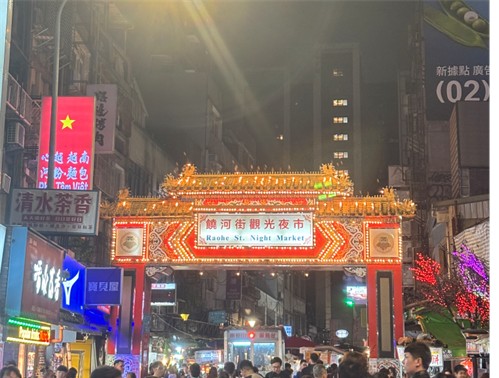
Taipei combines modern urban life with an older cultural atmosphere. It has efficient public transportation, modern shopping areas, cafés, and busy streets, but it also preserves temples, traditional markets, older neighbourhoods, and many everyday expressions of Chinese culture. Tradition is not limited to museums; it can be seen in local festivals, food, religious practices, and ordinary neighbourhood life.
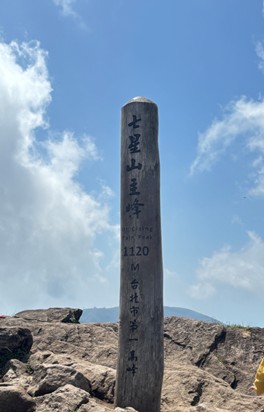
Another advantage of living in Taipei is its easy access to nature. On weekends, places such as Yangmingshan offered a welcome break from research and city life. Hiking among the mountains and greenery made it possible to slow down after a busy week.
During longer holidays, travelling beyond Taipei helped me understand Taiwan more fully. Tainan offered a stronger historical atmosphere, while Hualien was memorable for its natural scenery and relaxed pace. These trips showed me that each region has its own character, landscape, food, and way of life.
I was also impressed by the orderliness of daily life. People generally respected public rules, waited in line, kept shared spaces clean, and showed consideration for others. This made Taipei feel safe, comfortable, and welcoming.
5. Reflections and Advice
My stay at NCCU strengthened both my academic independence and my confidence in adapting to a new environment. It also reminded me that intercultural learning often happens through small experiences: a conversation after a meeting, a shared meal at iHouse, a campus festival, or a weekend walk in the mountains.
My advice to future exchange students is to set clear academic goals while remaining open to everyday opportunities. Join campus activities, speak with local and international students, explore Taipei, and travel beyond the capital when possible. The value of an exchange is found not only in formal academic outcomes, but also in the routines, relationships, and memories that gradually make a new place feel familiar.
Overall, my stay at NCCU was academically valuable, culturally enriching, and personally memorable. I will carry the experience into the next stage of my doctoral research and future academic work.
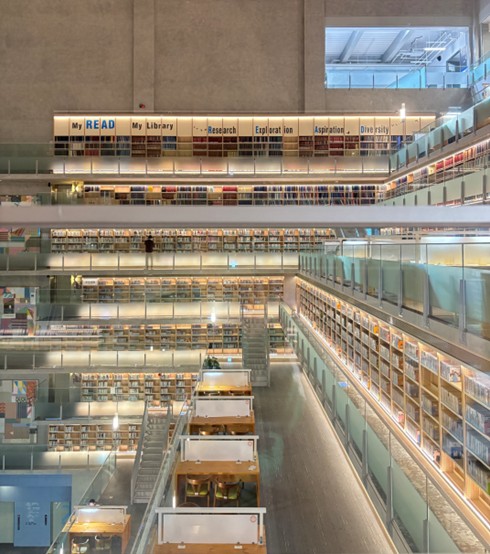
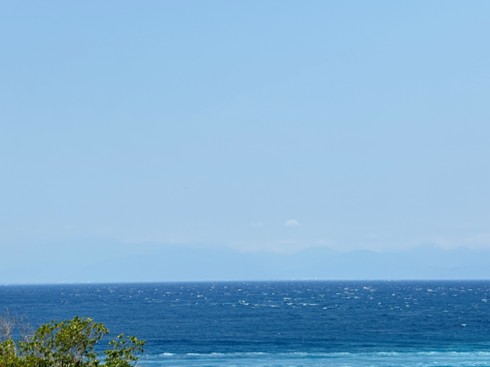
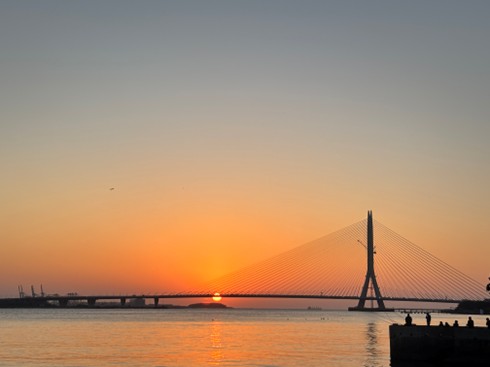
Yawen Zhong's Bilateral Exchange photos